
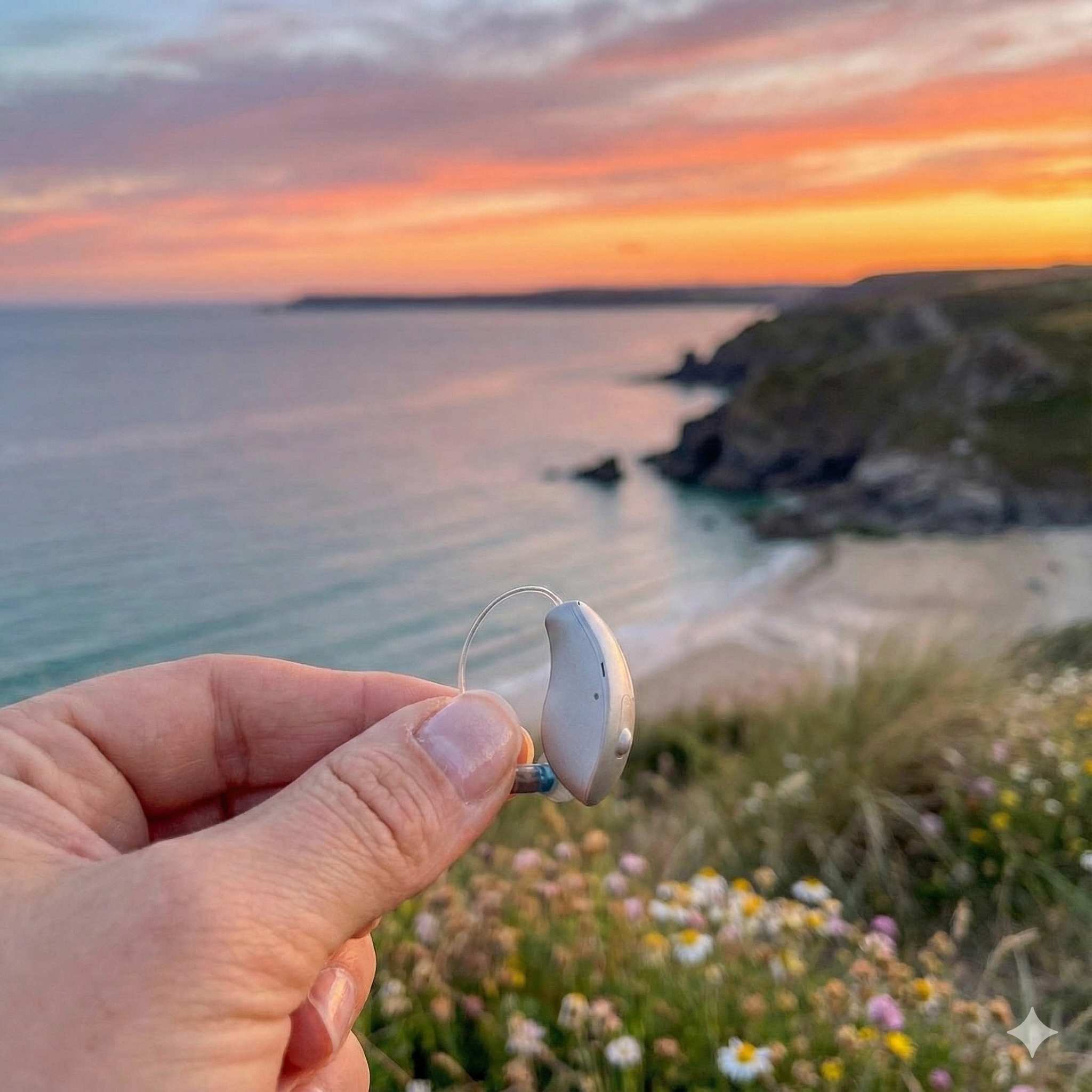
Hearing Aid Lifespan: What You Need to Know
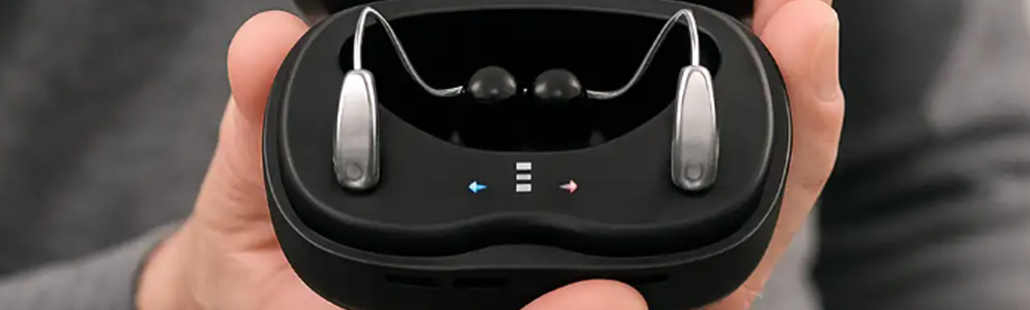
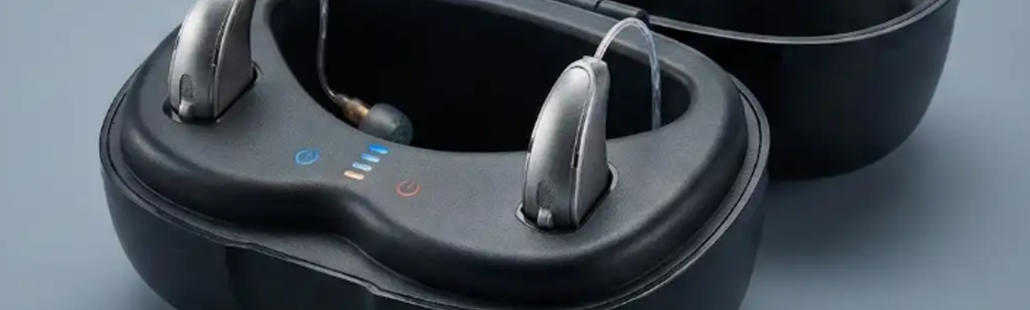
In today’s world, technology plays a vital role in improving our daily lives—from smartphones and GPS systems to advanced hearing solutions. Hearing aids are no exception. Modern devices not only enhance hearing but also offer features such as wireless connectivity, health tracking, and seamless integration with mobile devices.
However, like all electronic devices, hearing aids have a limited lifespan and will eventually need replacement.
Average Lifespan of Hearing Aids
On average, hearing aids last around 5 years with proper care and maintenance. After this period, users may begin to experience:
- Increased need for repairs
- Decline in sound quality
- Reduced battery performance
- Wear and tear of internal components
Daily exposure to earwax, moisture, dust, and physical movement gradually affects the internal mechanisms—similar to how regular use impacts a car engine over time.
Routine servicing and professional cleanings can extend the life of hearing aids, but replacement becomes a practical consideration after several years of use.
Why Upgrading Hearing Aids is Important
1. Continuous Advancement in Technology
Hearing aid technology evolves rapidly. Newer models offer:
- Superior sound clarity
- Enhanced performance in noisy environments
- Improved wireless connectivity
- Greater durability and water resistance
- Advanced health and lifestyle features
Upgrading ensures access to the latest innovations, significantly improving overall hearing experience.
2. Changes in Hearing Over Time
Hearing ability naturally changes due to aging (presbycusis), noise exposure, medical conditions, or genetic factors.
While existing hearing aids can be adjusted, newer devices may better match evolving hearing needs. Regular hearing assessments help determine when an upgrade is beneficial.
3. Improved Comfort, Reliability, and Lifestyle Benefits
Modern hearing aids provide:
- Better comfort and discreet designs
- More reliable performance
- Smart features such as app control and streaming
- Enhanced overall quality of life
Investing in updated technology ensures consistent and optimal hearing in daily activities.
Professional Recommendation
It is advisable to:
- Schedule hearing check-ups every 6 months
- Maintain proper cleaning and care routines
- Consult a hearing care professional when experiencing performance issues
Before upgrading, users can often trial new devices to compare performance and comfort.
Conclusion
Hearing aids are a valuable long-term investment in your quality of life. While they typically last around five years, timely upgrades ensure you continue to benefit from the best possible hearing, comfort, and technology available.
For personalized advice, hearing assessments, and the latest hearing solutions, consult a qualified hearing care professional.